Morning Planets in October 2026: How to Find Jupiter and Mars Before Sunrise
Jupiter and Mars are up before sunrise this October. When to look, where to find them by city, and how their gap closes to 1.2° on Nov 16.
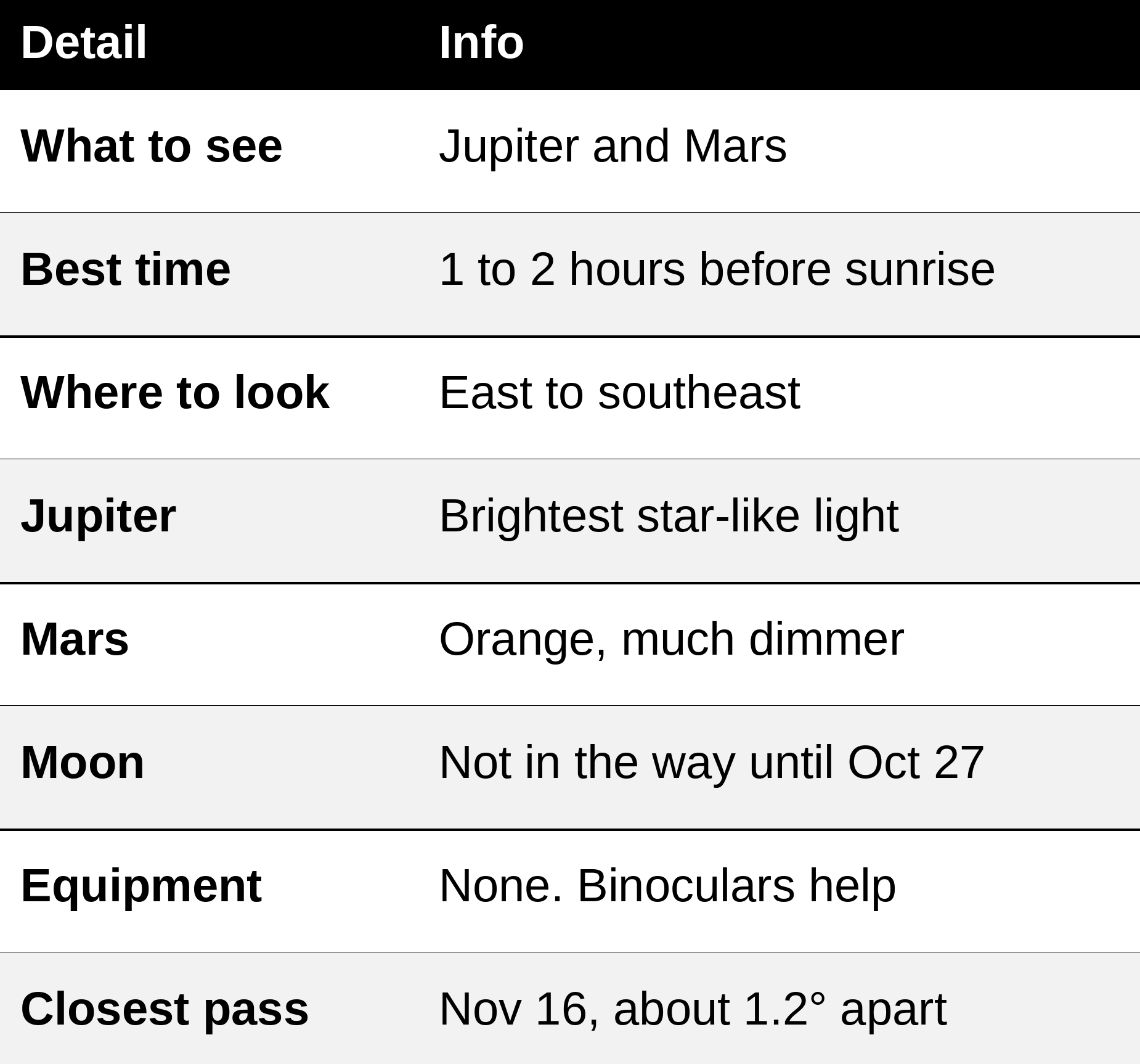
Short answer: two planets, not five. This October, only Jupiter and Mars are up before sunrise. Both are easy to see with no equipment, and the gap between them shrinks every morning.
Quick answer
Reality check
You may see headlines about a “parade of morning planets”. Not in October. Venus only returns to the morning sky on Nov 3, and Mercury on Nov 13. Saturn is an evening planet right now. So this guide covers what is really there: Jupiter and Mars.
How to find them
Go outside 1 to 2 hours before sunrise and face east to southeast. In the Southern Hemisphere, look east to northeast, and expect the planets to sit a little lower.
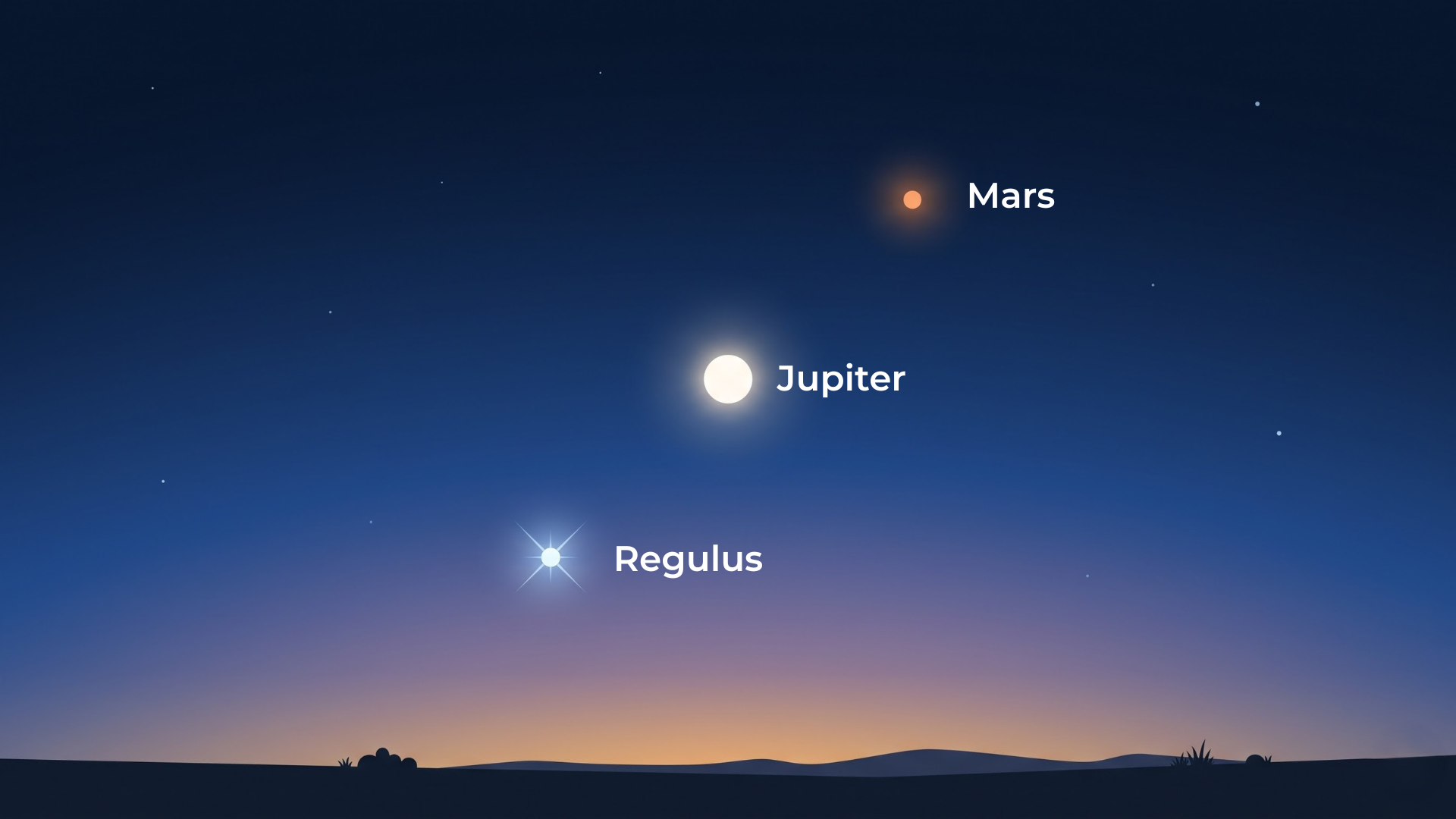
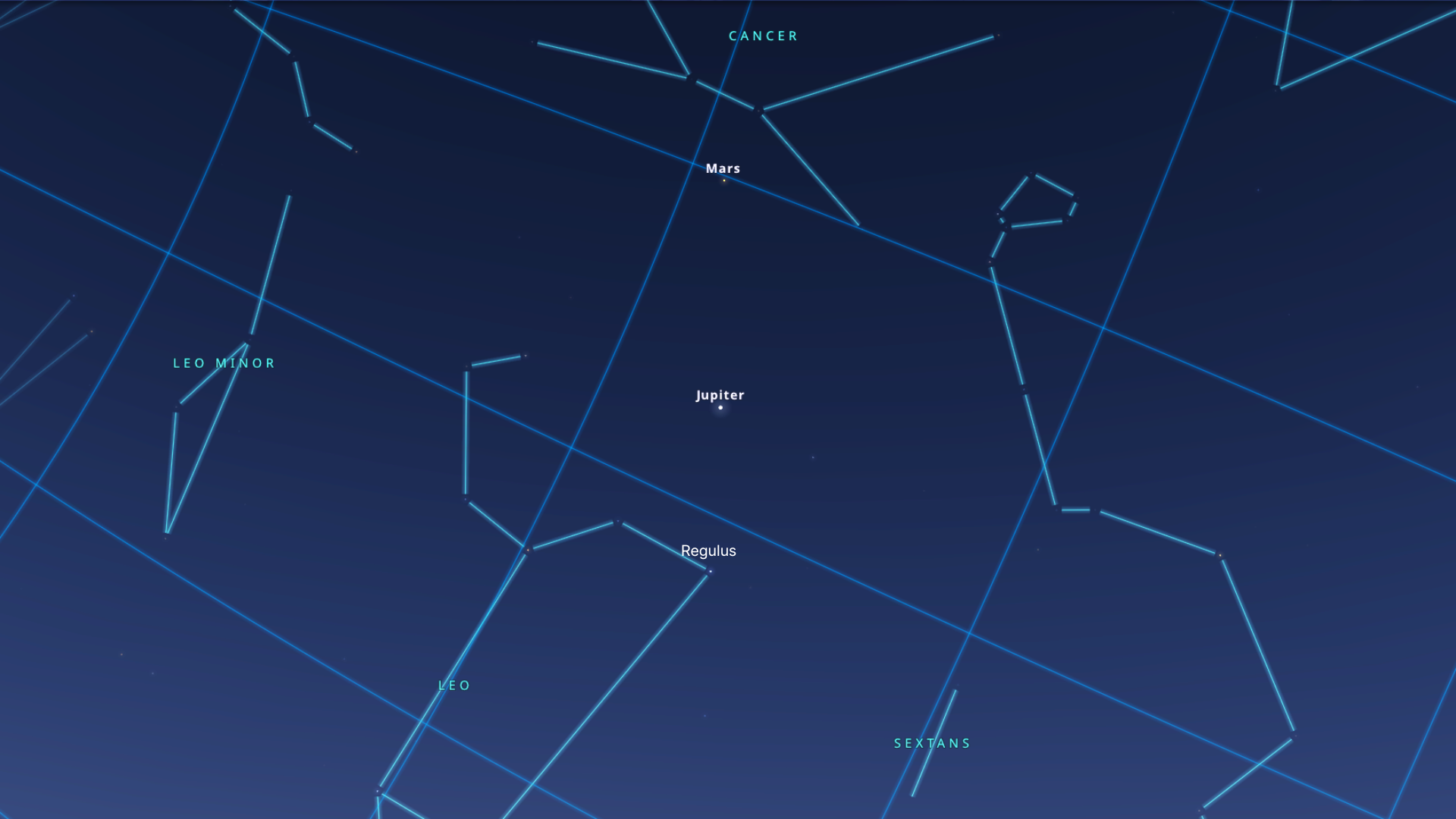
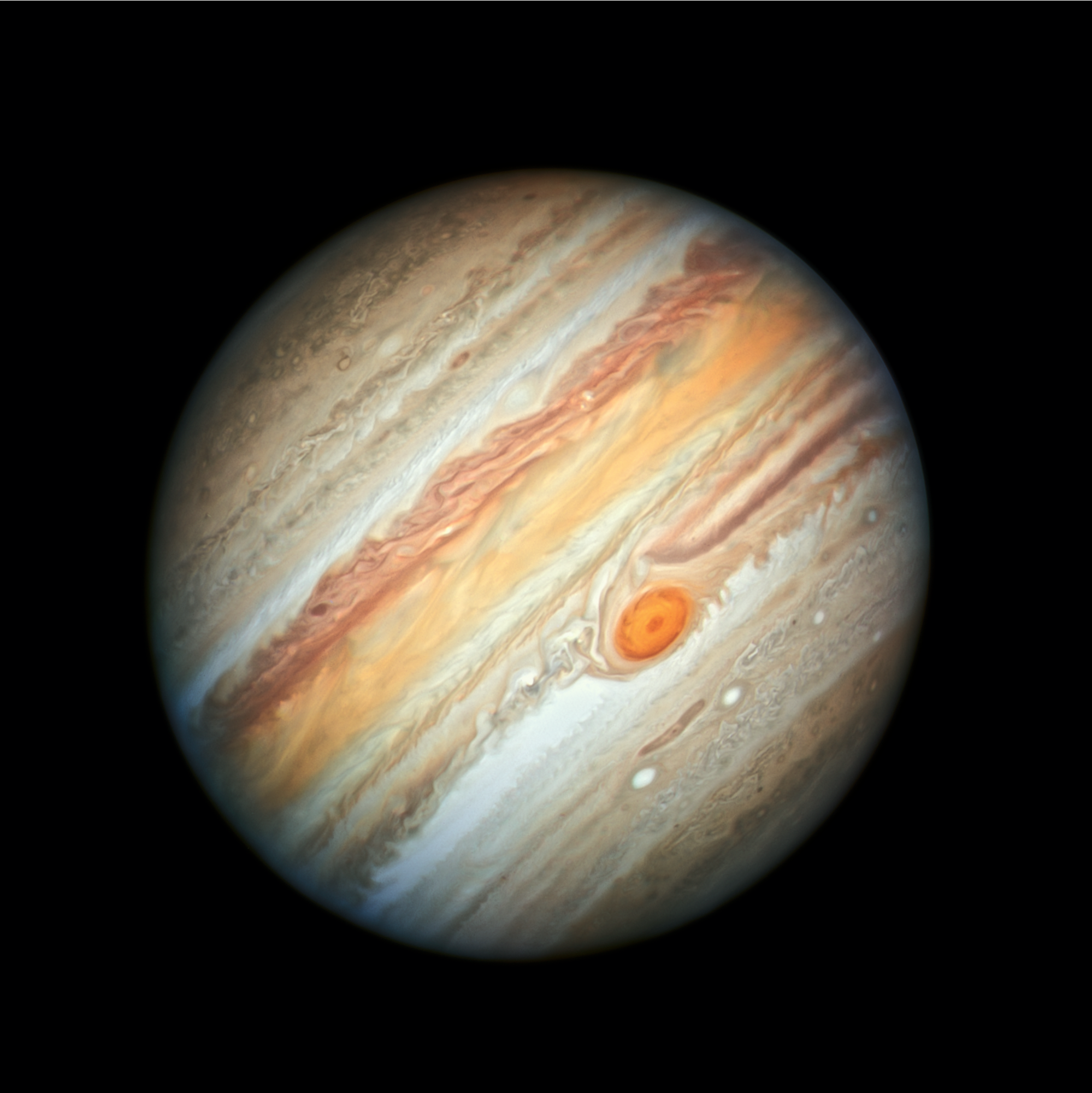
Jupiter is the easy one. It is the brightest star-like light in that part of the sky, steady and white. It sits in the constellation Leo, about 7.6° (a bit less than a fist) to the upper right of the star Regulus.
Mars is much dimmer and looks orange. It is in Cancer, to the upper right of Jupiter. If you have binoculars, look just above Mars for the fuzzy Beehive Cluster. Mars passed close to it around Oct 10 to 12, and is about 4.4° from it on Oct 19.
When to look, by city
The table below shows when Jupiter rises on Oct 20 and a good time to start looking. All times are local and approximate.
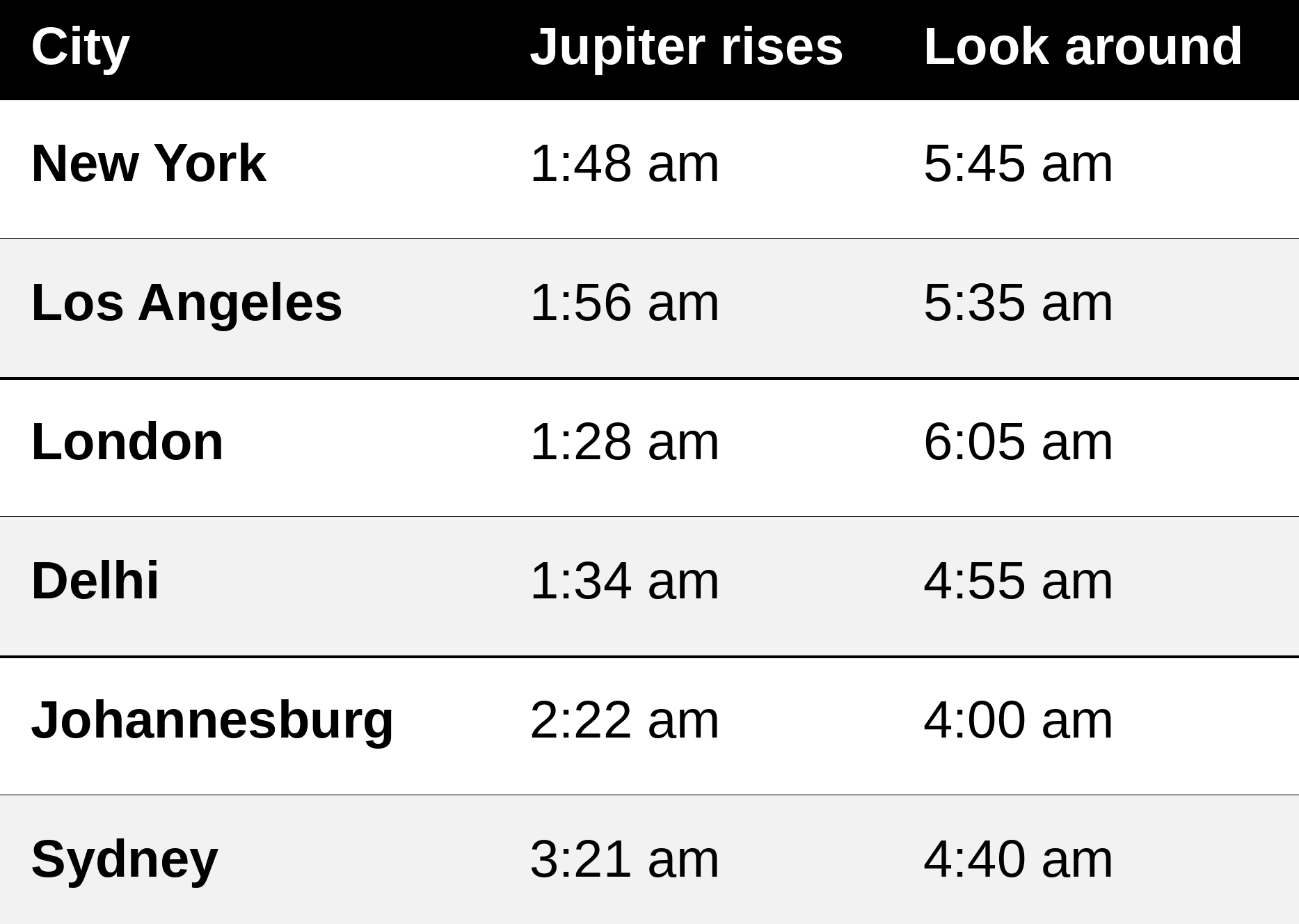
Times shift only a few minutes over the following weeks, so use them as a guide for the whole of late October.
The gap is closing
This is the fun part. Jupiter moves slowly, while Mars is catching up to it. Each morning they are a little closer.
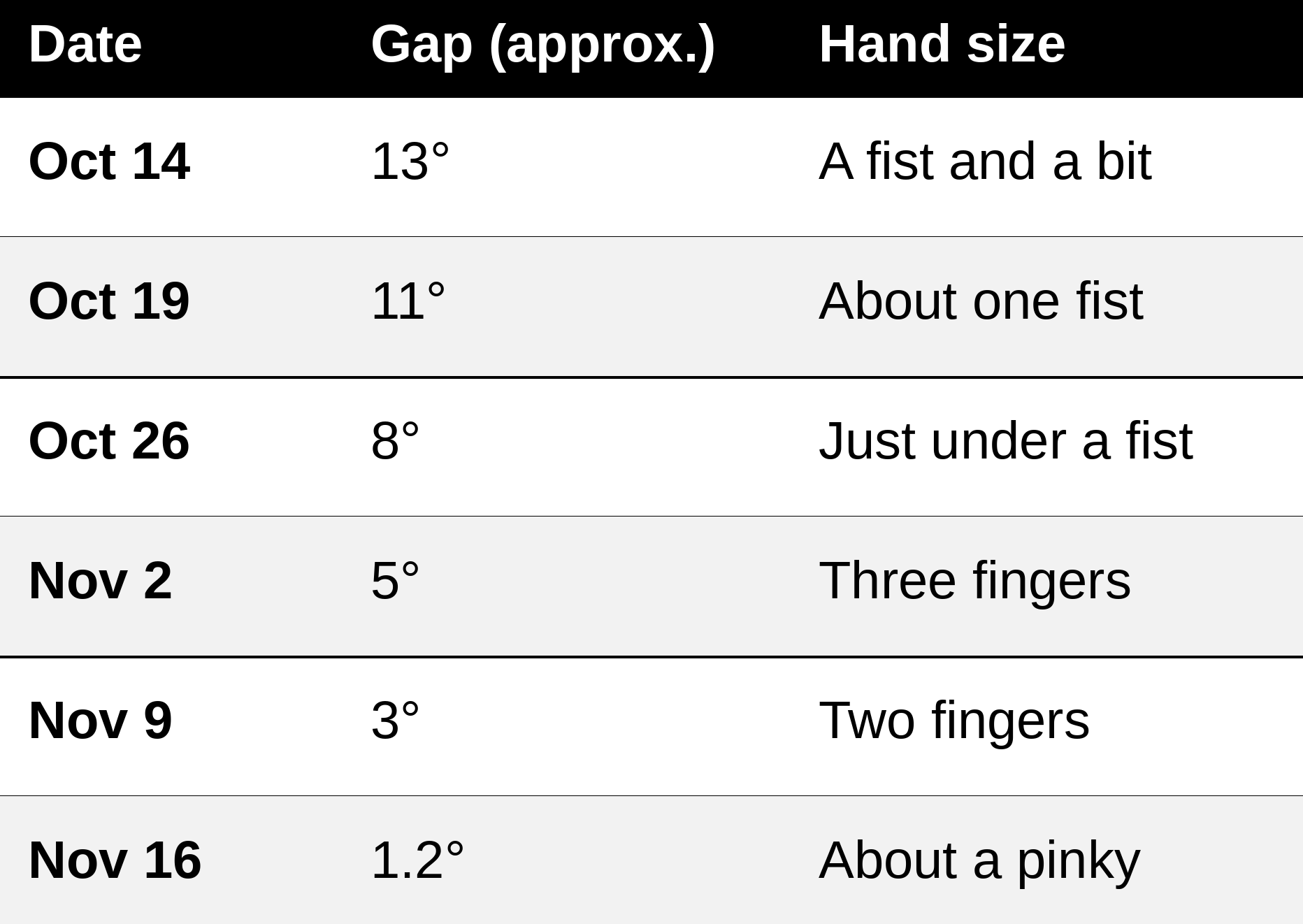
A simple way to measure it: your fist at arm’s length is about 10°, three fingers about 5°, two fingers about 3°, and your little finger about 1°.
Around Oct 16, Mars, Jupiter and Regulus line up. By Nov 16, Mars and Jupiter are only about 1.2° apart, roughly a pinky’s width.
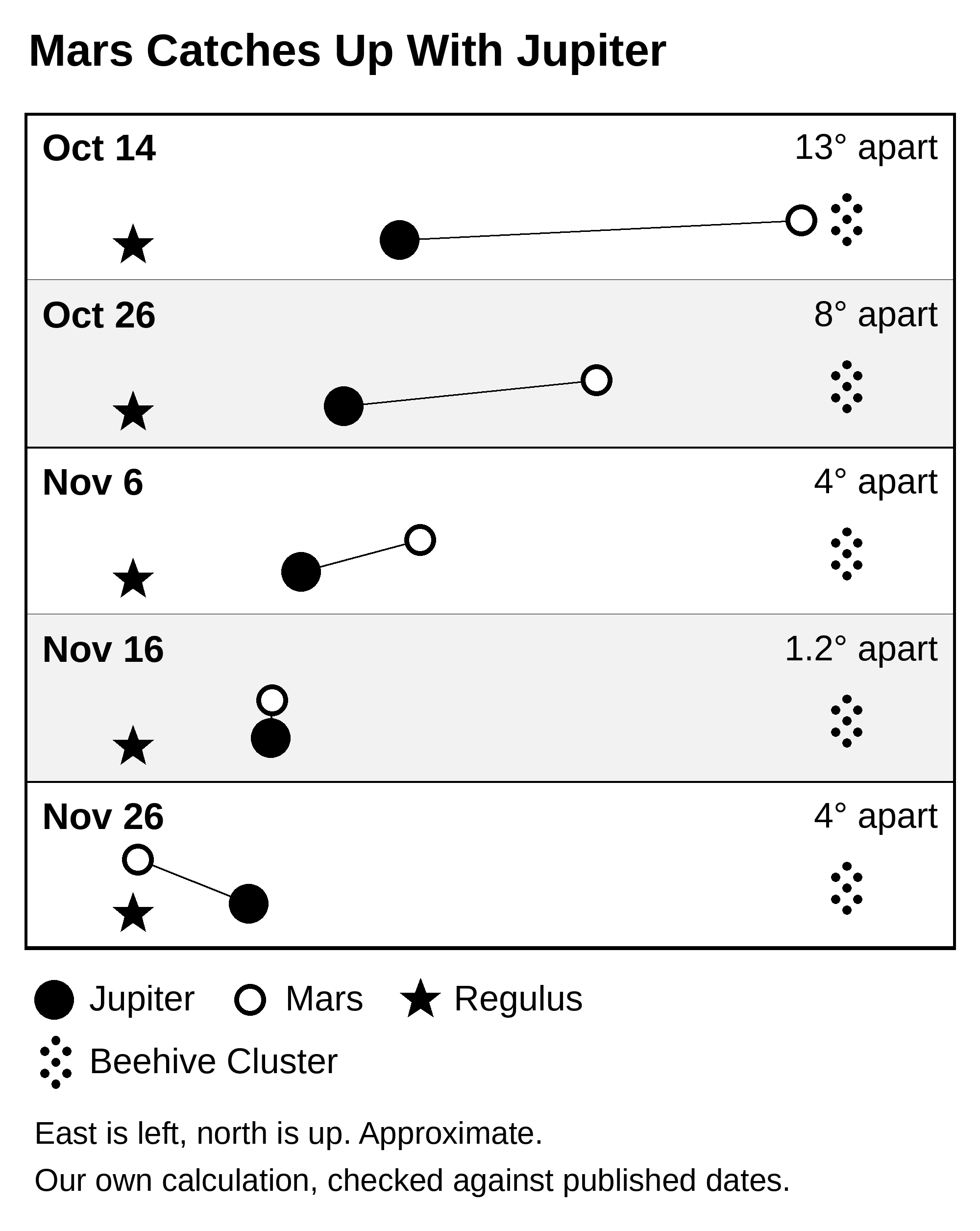
The diagram above is our own calculation and is approximate.
The Moon
The Moon stays out of the way for most of this window. The first quarter Moon is on Oct 18 and the Hunter’s Moon (full) is on Oct 26 at 04:12 UTC. Morning skies are Moon-free from about Oct 10 to Oct 27, which makes these the best mornings to look.
What you will actually see
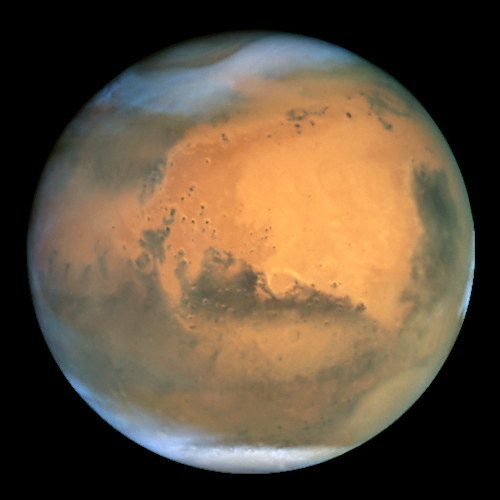
With your eyes alone, Jupiter is bright and obvious. Mars is a small orange dot. Binoculars show the Beehive Cluster near Mars, and a small telescope will show Jupiter’s four big moons as tiny dots in a line. Do not expect detail on Mars. It is far away right now.
Where to go next
- Check dates for other sky events in our Space Events Calendar.
- New to stargazing? Start with the Beginner’s Guide to Stargazing.