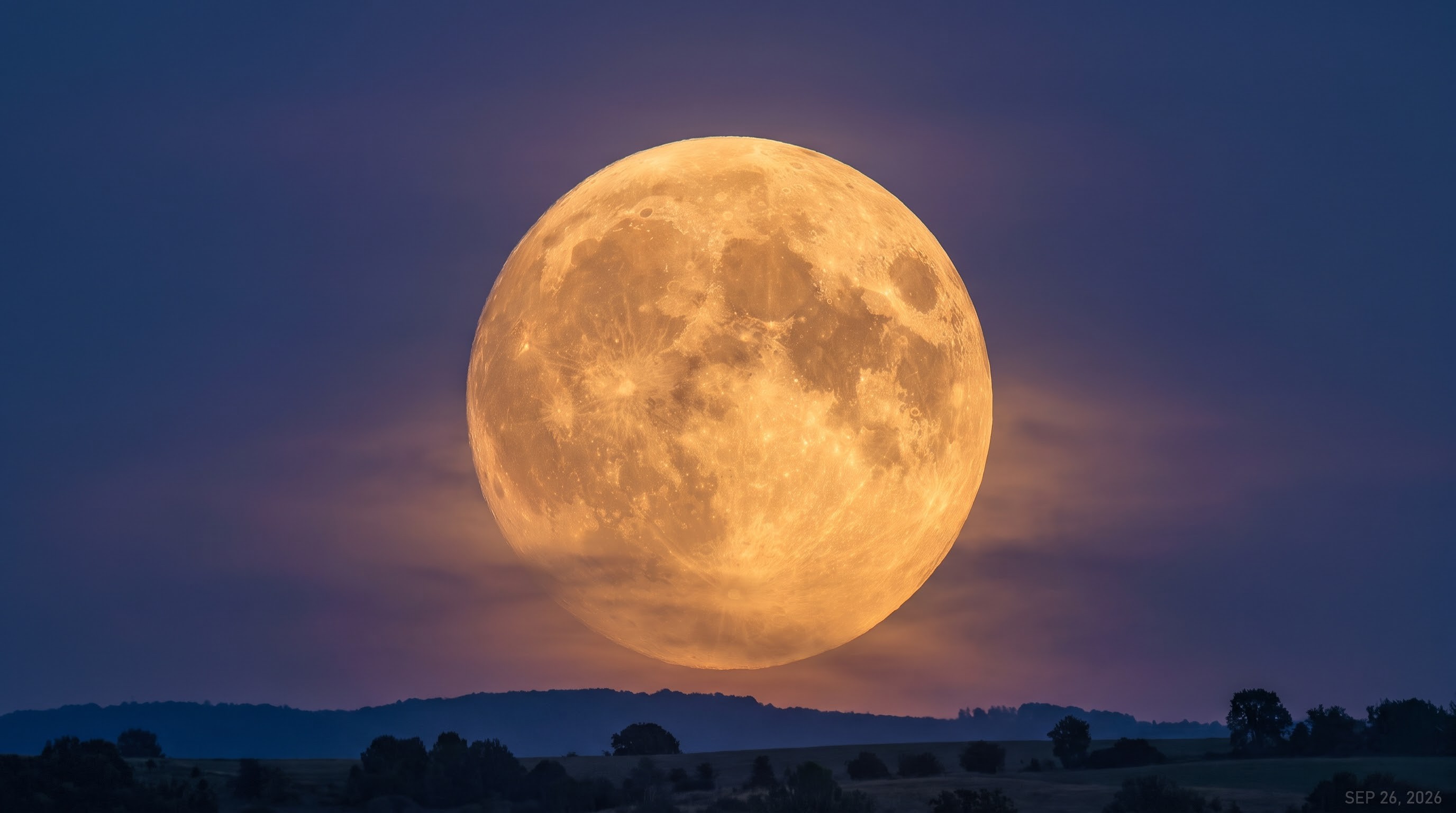
Harvest Moon 2026: Date, Meaning & Best Viewing Tips
The Harvest Moon 2026 rises on September 26. Here’s the exact time, the meaning behind the name, and easy tips to see it at its best.
Introduction
Most Full Moons come and go without much fanfare. The Harvest Moon is different. It’s the one Full Moon each year that comes with its own name, its own history, and a genuinely good reason to step outside and watch it rise.
In 2026, the Harvest Moon arrives on September 26, and it comes with a little extra timing quirk that makes it worth planning around. Here’s everything you need to know, explained simply, so you know exactly when to look up and what you’re actually looking at.
When Is the Harvest Moon in 2026?
The Harvest Moon in 2026 reaches peak illumination on September 26, at 12:49 PM EDT (16:49 UTC). Since that peak moment happens during daylight hours for most of the Western Hemisphere, the best time to actually see it is that evening, at moonrise.
For casual viewing, don’t worry about catching the exact minute of peak fullness. The Moon will look essentially full to the naked eye for a full day or two on either side of September 26, so both the evenings before and after are still worth going outside for.
What Is the Harvest Moon?
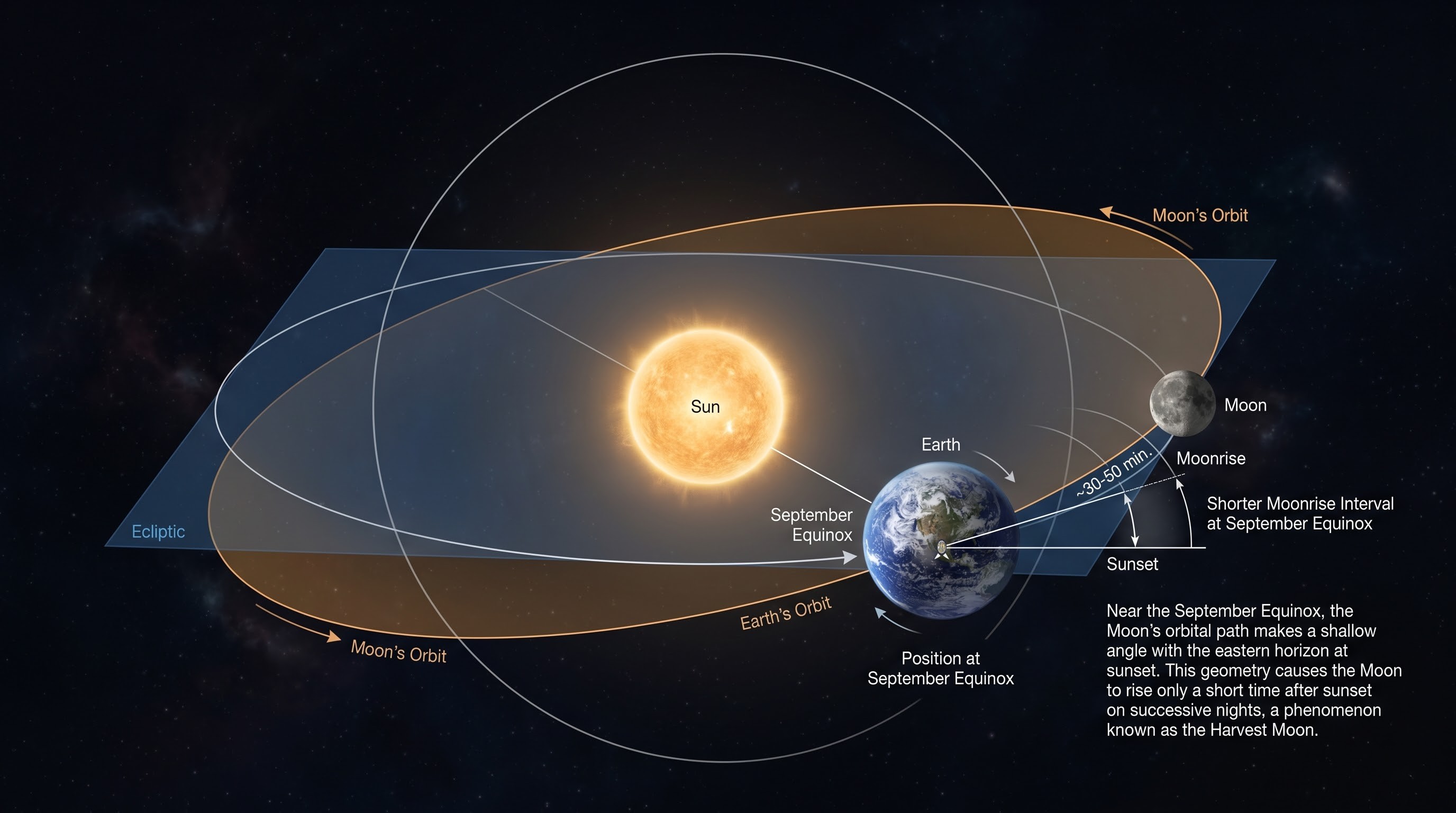
The Harvest Moon isn’t a separate type of Moon phase. It’s simply a nickname given to whichever Full Moon falls closest to the September equinox, which lands on September 22–23, 2026 this year.
Most years, that title goes to September’s Full Moon, but occasionally the timing works out so that early October’s Full Moon is actually closer to the equinox instead. In 2026, September 26 is the clear winner, making it this year’s official Harvest Moon.
Why Is It Called the Harvest Moon?
The name goes back long before electric light existed. Around the time of the September equinox, the Moon’s rising time behaves a little differently than usual.
Normally, the Moon rises about 50 minutes later each night. But around the Harvest Moon, it rises only about 25 to 30 minutes later each night instead. That smaller gap means several evenings in a row with bright moonlight arriving shortly after sunset, rather than progressively later and later.
For farmers working without artificial lighting, that extra early evening glow meant more usable hours to finish harvesting crops before autumn weather set in. The Moon quite literally helped bring in the harvest, and the name stuck.
What Makes the Harvest Moon Special?
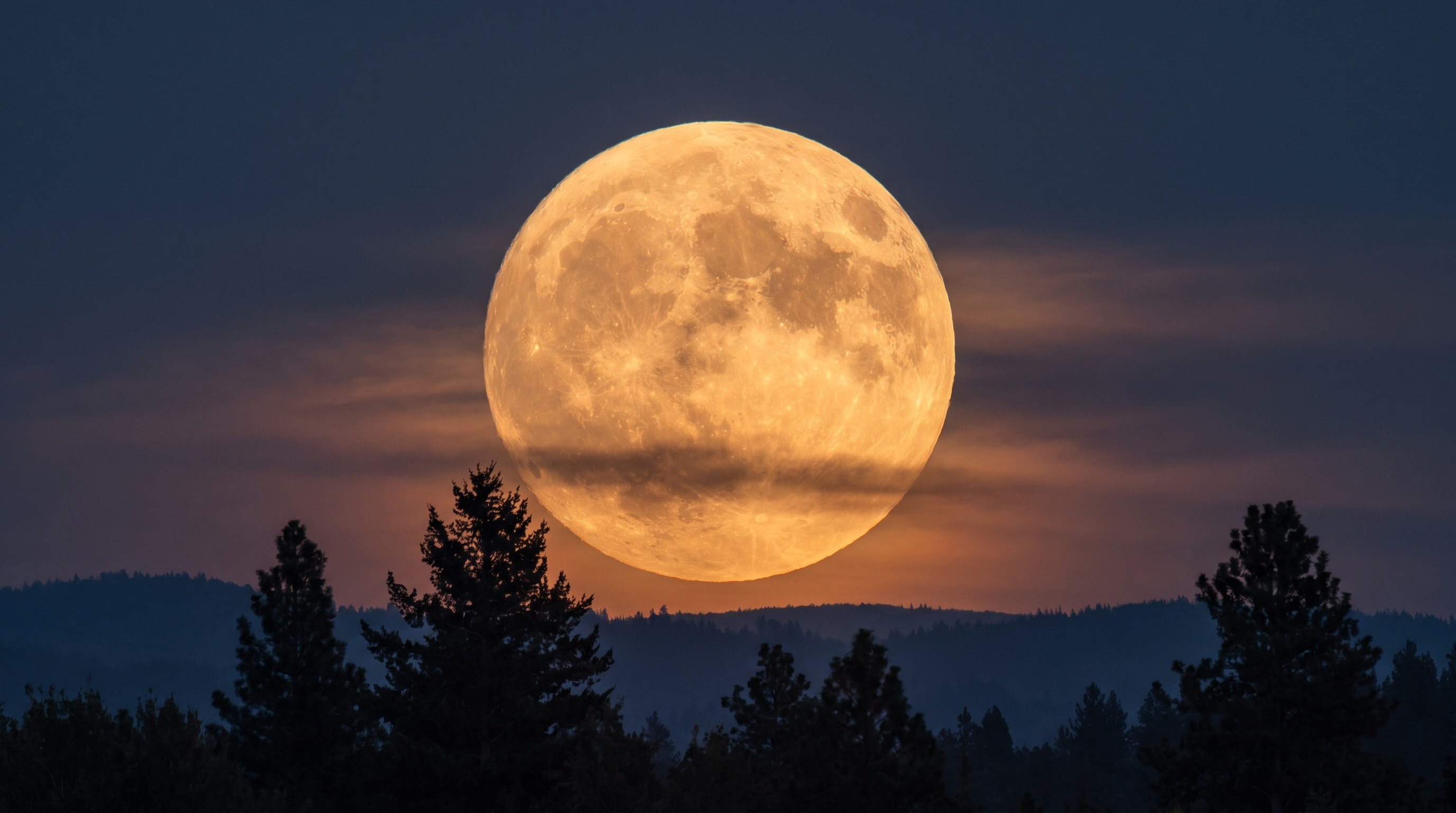
Beyond its earlier-than-usual moonrise pattern, the Harvest Moon shares a feature with every Full Moon: it tends to look especially large and colorful when it’s near the horizon.
This is partly due to something called the Moon illusion, a trick of human perception that makes the Moon appear larger when it’s positioned near buildings, trees, or hills for comparison, even though its actual size hasn’t changed at all. It also tends to appear more golden or orange near the horizon, because moonlight is passing through a thicker slice of Earth’s atmosphere, which scatters blue light and lets warmer tones through more easily, the same reason sunsets turn orange and red.
Put those two effects together, a big, warm-colored Moon rising right around sunset for several nights in a row, and it’s easy to see why the Harvest Moon has such a strong reputation.
Best Time and How to See the Harvest Moon 2026
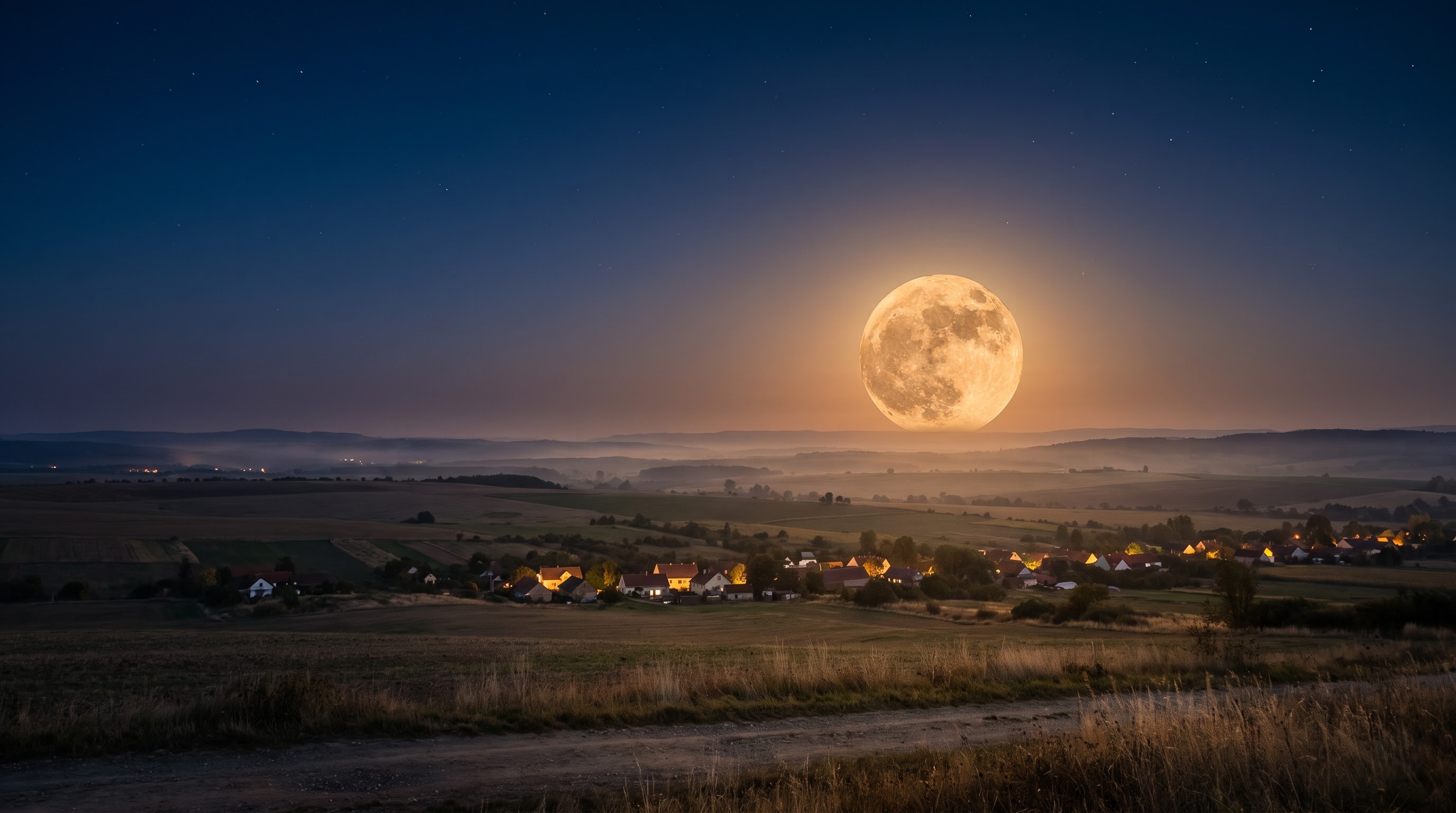
Seeing the Harvest Moon requires no special equipment, no planning apps, and no dark sky location. Here’s the simple version:
- Check moonrise time for your location on September 26, 2026 (a quick search for “moonrise time” plus your city will give you an exact time).
- Head outside 10 to 15 minutes before that time, and find a spot facing east with a clear view toward the horizon.
- Watch as the Moon climbs above the horizon. This is when it will look its biggest and most colorful.
- Don’t stop after one night. The days just before and after September 26 will still show a nearly full, bright Moon rising shortly after sunset.
It really is that simple. No telescope, no binoculars, and no special conditions required, just clear skies and a view of the eastern horizon.
Viewing Tips for the Best Experience
- Find an open eastern view. Hills, buildings, or trees to the east can block the Moon right as it’s rising, which is the most dramatic moment.
- Go a few minutes early. The sky often starts glowing before the Moon itself becomes visible.
- Bring a friend or family member. The Harvest Moon is a genuinely easy, low-effort event to share with people who don’t usually go stargazing.
- Check the weather. Clear skies matter more than any other factor for a Full Moon view.
- Try more than one night. If clouds ruin September 26, the nights on either side will still look nearly full.
Photography Tips
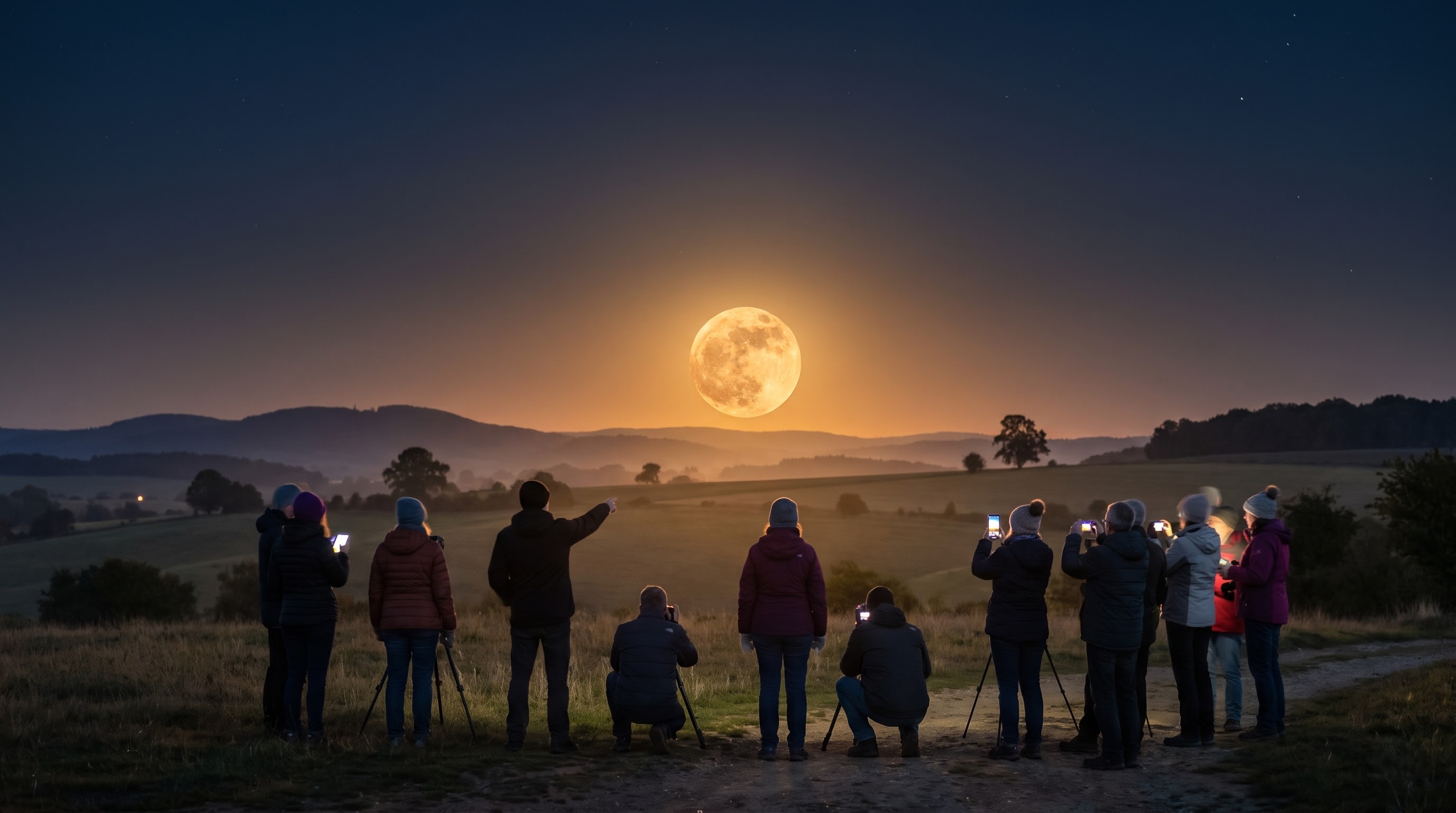
You don’t need professional gear to get a satisfying photo of the Harvest Moon.
- Include foreground objects. A Moon photo against an empty sky often looks smaller than expected. Trees, rooftops, or a skyline in frame make the size and color far more impressive.
- Use a tripod if you have one. Even a phone benefits from being held steady during low-light shots.
- Avoid using zoom on a phone camera. Digital zoom often reduces quality significantly. If you have a camera with an actual zoom lens, that will perform far better.
- Shoot right at moonrise. This is when the color and size effects are strongest, and when the Moon looks most dramatic in photos.
Conclusion
The Harvest Moon is one of the easiest astronomical events of the entire year to enjoy, no equipment, no dark sky location, and no complicated timing required. Just step outside on the evening of September 26, 2026, find a clear view toward the east, and watch it rise.
If you enjoyed this guide, check out our full September 2026 Night Sky Guide for everything else worth seeing this month, including Neptune at its best and a few minor meteor showers worth knowing about.